
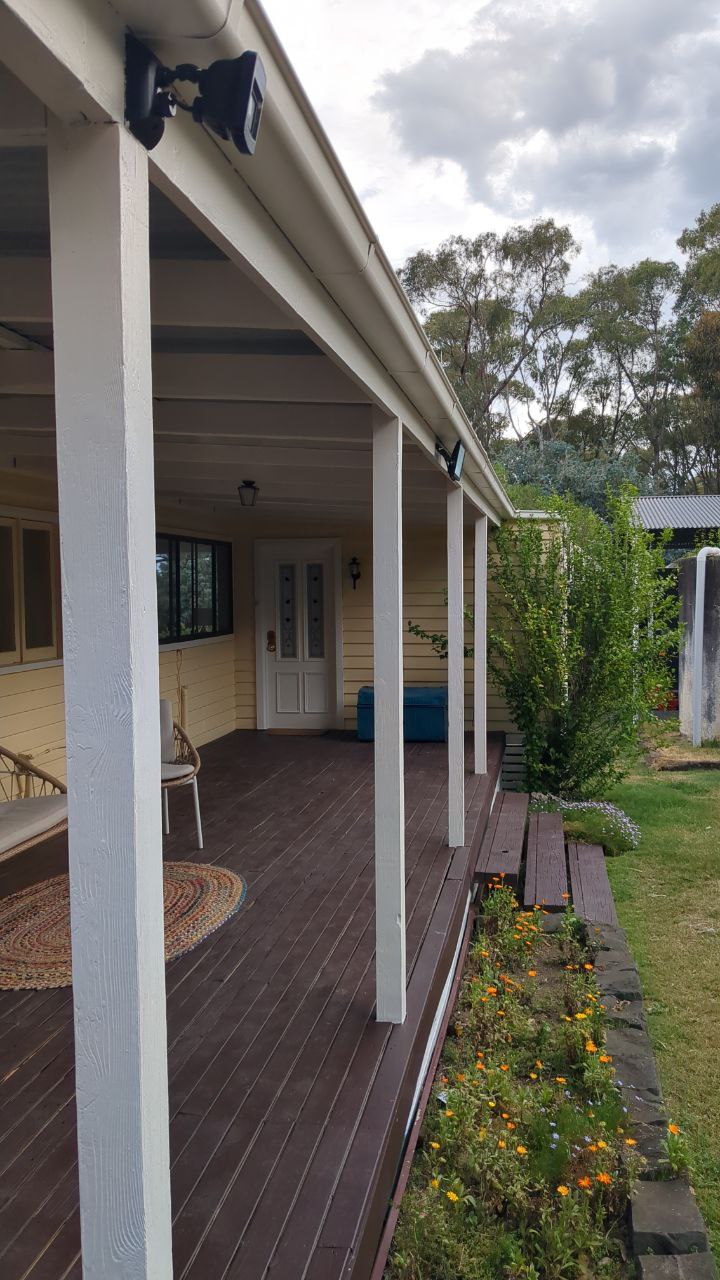
Melbourne is home to some of Australia's finest Victorian and Federation architecture. From the ornate terrace houses of Carlton and Fitzroy to the grand mansions of Kew and Hawthorn, these heritage homes represent irreplaceable craftsmanship. Painting them correctly isn't just about aesthetics—it's about preservation, protection, and respecting history.
Key Heritage Features & How to Paint Them
Ornate Cornices & Ceiling Roses
Victorian homes feature intricate plasterwork that requires careful preparation and precision painting to highlight detail without obscuring craftsmanship.
- Use artist brushes for fine detail work
- Apply thin coats to preserve crisp edges
- Consider contrast colours to highlight patterns
- Never use thick textured paints on detailed work
Timber Fretwork & Verandah Details
Decorative timber lacework and verandah brackets are signature Victorian elements that need proper preparation before painting.
- Sand carefully to remove old paint buildup
- Treat any rot or termite damage first
- Use quality exterior primers for durability
- Traditional oil-based enamels give authentic finish
Cast Iron Lacework
Intricate cast iron balustrades and panels require rust treatment and specialist painting techniques.
- Remove all rust with wire brush or sandblasting
- Apply rust converter before priming
- Use metal-specific primers and topcoats
- Multiple thin coats prevent drips in detail
Original Timber Windows
Heritage timber windows are often single-glazed with traditional putty glazing that needs preservation.
- Repair rather than replace where possible
- Scrape and sand, don't strip chemically
- Re-putty with linseed oil putty
- Prime bare timber before painting
Period-Appropriate Colour Palettes
Choosing historically accurate colours enhances your home's character and can increase property value. Here's a guide by era:
Early Victorian (1850-1870)
Deep, rich colours: Brunswick green, Indian red, cream, chocolate brown
Darker, more sombre tones reflecting available pigments of the era.
High Victorian (1870-1890)
Burgundy, forest green, ochre, terracotta, gold accents
Bold contrasting colours showcasing prosperity and craftsmanship.
Late Victorian (1890-1901)
Lighter tones: sage green, dusty pink, cream, soft greys
Transition toward Edwardian lightness with Art Nouveau influences.
Federation (1901-1915)
Earthy reds, deep greens, cream, heritage red on roofs
Australian identity with native colours and Arts & Crafts movement.
5 Mistakes That Damage Heritage Homes
Using Modern Acrylic on Bare Timber
Why it's a problem: Acrylics don't penetrate like traditional oils, leading to peeling on heritage timber.
The right approach: Use oil-based primers on bare timber, then acrylic topcoats if desired.
Painting Over Lead Paint Unsafely
Why it's a problem: Pre-1970s homes likely contain lead paint. Sanding releases toxic dust.
The right approach: Test for lead first. Encapsulate or use licensed removalist for stripping.
Ignoring Substrate Preparation
Why it's a problem: Heritage surfaces often have layers of incompatible paints and finishes.
The right approach: Thorough scraping, sanding, and priming is essential—never skip prep.
Choosing Non-Period Colours
Why it's a problem: Modern bright whites and greys can look jarring on Victorian architecture.
The right approach: Research period-appropriate palettes; many paint brands offer heritage ranges.
Filling Details Instead of Preserving
Why it's a problem: Using thick fillers on ornate work destroys fine detail permanently.
The right approach: Clean out old paint from details; use thin appropriate fillers only where needed.
Heritage Overlay Considerations
Many Melbourne homes are protected under Heritage Overlay (HO) regulations. Before painting, check if your property requires council approval for exterior colour changes.
Usually Permitted
- • Maintenance painting in same colours
- • Minor repairs to match existing
- • Interior painting (no permit needed)
May Require Approval
- • Major colour scheme changes
- • Painting previously unpainted surfaces
- • Removing paint from brickwork
Need Heritage Painting Expertise?
With 20+ years experience on Melbourne's heritage homes, we understand the techniques, materials, and care these properties deserve. Free quotes for heritage painting projects.
Family-owned • Heritage specialists • Serving all of Melbourne