
Melbourne House Painters
Interior, exterior and heritage painting across Melbourne with Dulux premium paint systems. Full surface preparation, gap filling and priming included. 10-year manufacturer warranty. Free quotes within 24 hours.
GET A FREE QUOTE
Tell us briefly what you need help with.
What We Paint
Interior Painting Melbourne
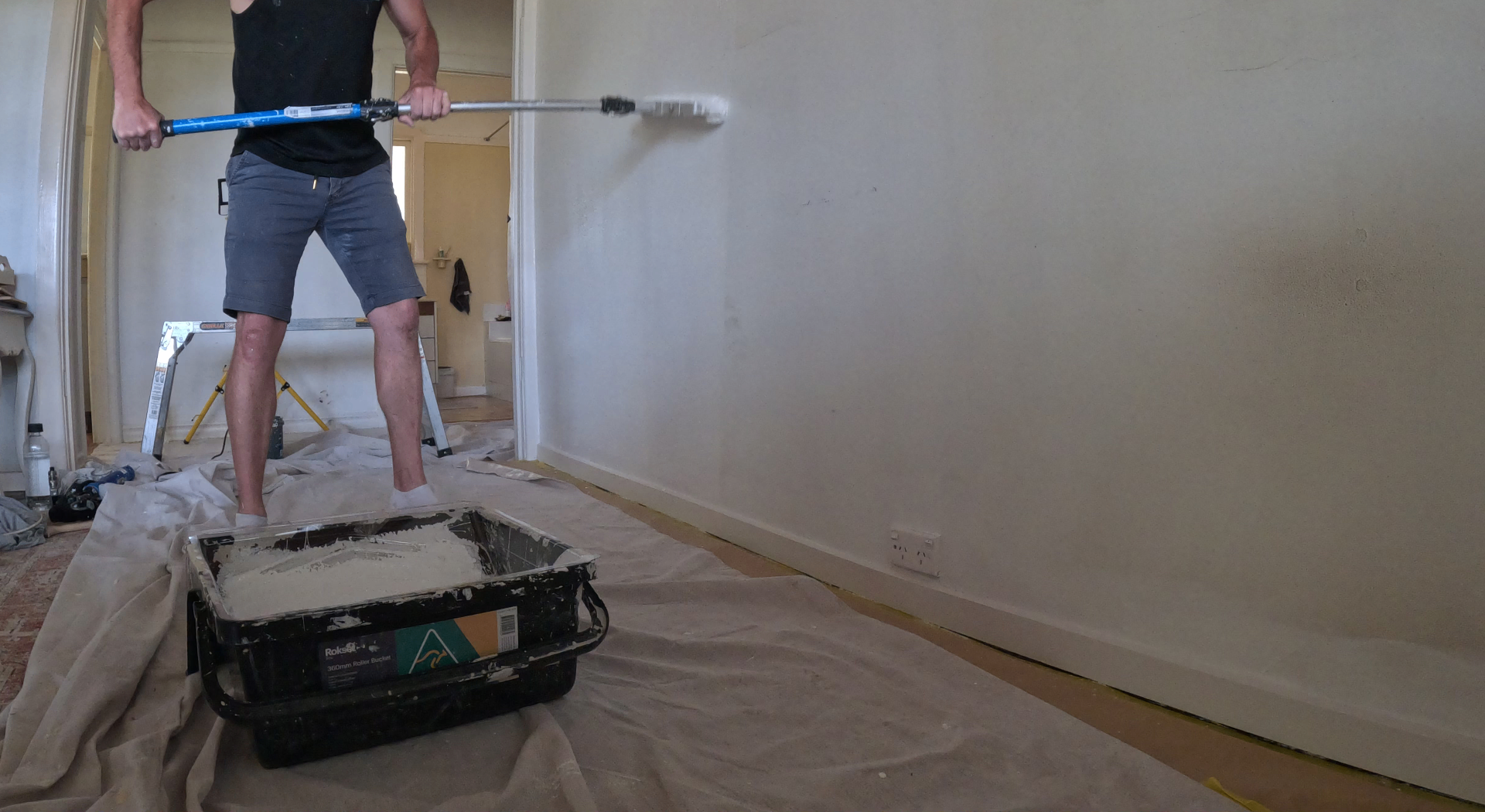
Walls, ceilings, trim and doors finished with premium low-VOC paints. We move furniture, mask edges and leave zero brush marks.
Exterior Painting
Weatherboards, render, fascia and eaves painted with Dulux Weathershield or Acrashield membrane systems built for Melbourne UV and salt.
Heritage Painting
Period-correct colour palettes, traditional oil-based undercoats and sheen levels that satisfy council heritage overlays.
Deck Staining
Oil and water-based decking stains that penetrate timber rather than peel. Re-coated every 2–3 years for continuous protection.
House Painting Across Melbourne
Painting a Melbourne home is not the same job from one suburb to the next. A weatherboard cottage in Newport, Brunswick or Lauriston needs careful timber prep, gap-filling and a flexible exterior system that will breathe through coastal salt and inland temperature swings. A rendered 1990s home in Epping, Doreen or South Morang needs proper crack repair before any topcoat goes on, or you'll see those hairlines again within twelve months.
For heritage and period homes — Federation, Edwardian and Victorian stock across Ivanhoe, Brunswick and Caulfield — we work with colour palettes that respect council heritage overlays and use period-correct sheen levels on cornices, ceiling roses and timber detailing. Vendors preparing a home for sale across the inner north and northern corridor regularly engage us for full pre-sale repaints turned around in 7–14 days; see our pre-sale restoration page for indicative pricing.
Commercial Painting Melbourne
Body-corporate and commercial repaints in Melbourne's inner suburbs are scheduled outside trading or quiet hours where needed, with all dust-sheets, access equipment and SWMS documentation handled in-house. We primarily use Dulux systems (including the 10-year Acrashield membrane warranty) and can quote alternative brands on request. Most quotes are returned within 24–48 hours of inspection.
Why Choose Our Painters
- Dulux-accredited applicators
- 10-year manufacturer warranty on membrane systems
- Full timber prep, gap filling and priming included
- Interior jobs finished in 2–4 days, exterior in 5–10
- Heritage overlay experience across inner Melbourne
- Free colour guidance and digital mock-ups
Completed Painting Projects
Painting FAQ
Painting Services Near You
We provide house painting across Melbourne metro and regional Victoria. Find painters in your area:
Melbourne's Northern Suburbs
House painting in Doreen, Mernda, South Morang, Epping & Whittlesea. Your local Dulux-accredited painters.
Macedon Ranges
Painting in Woodend, Kyneton, Mt Macedon, Gisborne & surrounding areas. Heritage specialists.
View area details →Bendigo & Goldfields
Painting in Bendigo, Castlemaine, Eaglehawk & the Goldfields region. Victorian-era experts.
View area details →Northern Corridor
Painting in Kilmore, Wallan, Broadford, Seymour & Mitchell Shire. New builds & established homes.
View area details →Related Services
Combine painting with our other services for a complete property transformation.
All Service Areas
We cover Melbourne metro and regional Victoria. Find house painting services near you.
View all service areas →What Painting Actually Involves
Painting is the last thing anyone sees and the first thing that fails if the prep is skipped. On Melbourne homes that means sanding back chalky weatherboards, scraping flaking window sills, and treating rust bleed on nail heads before a drop of paint goes on. We wash down render and brick to remove salt bloom and mould, patch cracked cornices, and mask off tiles and hardware properly so the finish reads as a single clean job, not a rushed weekend coat.
Interior work usually starts with a walk-through to pick sheen levels room by room, low-sheen or matte for ceilings and living areas, semi-gloss or satin for kitchens, bathrooms and skirtings where wipe-down durability matters. We fill nail pops and hairline plaster cracks, spot-prime stains and water marks so they do not bleed through the topcoat, and cut in edges by hand rather than relying on tape alone for a crisper line.
Exterior jobs are dictated by Melbourne's weather swings, hot dry stretches that bake and crack old oil-based coatings, then wet fronts that find every gap in flashings and get behind render. We use flexible acrylic systems on render and timber that can move with the substrate, and where a pre-1970 house has old lead-based layers we follow safe containment and wet-sanding practices rather than dry grinding it into dust.
Common Problems We See
Peeling weatherboards
Old oil-based paint loses adhesion over years of sun exposure and starts lifting in sheets, usually on the north and west faces that cop the harshest afternoon sun through summer.
Render staining and efflorescence
White salt deposits push through render after damp winters, and mould grows in shaded south-facing walls that never fully dry out between rain events.
Nail and screw rust bleed
Untreated fixings in weatherboard and fibre cement rust from the inside out, leaving orange streaks through the topcoat within a season or two if not primed with a rust-inhibiting sealer.
Cracking around window and door frames
Timber frames expand and contract with temperature swings, splitting old paint films and opening gaps that let wind-driven rain track into the wall cavity.
Uneven sheen from spot touch-ups
DIY touch-ups with mismatched paint batches or sheens leave patchy panels that only show up properly once the sun hits the wall at a low angle.
Signs You Need Painting
- Paint is chalking so badly it rubs off white onto your hand when you touch the wall.
- Bubbles or blisters appear on weatherboards after a hot day, showing trapped moisture underneath the film.
- Hairline cracks run along cornice joins or plaster patches that were never sealed properly.
- Colour has visibly faded or yellowed on the sun-facing side compared to shaded walls.
- Skirting boards and door frames show scuff marks that no longer wipe clean with a damp cloth.
- Previous paintwork is flaking in curls near gutters, downpipes or anywhere water regularly runs down the wall.
Not sure what you're looking at? Send us a photo through the contact page and we'll tell you honestly whether it needs attention now or can wait.
Repair or Replace?
Repair usually makes sense when
- • The substrate underneath, render, timber or fibre cement, is still sound and just needs prep and a fresh coating system.
- • Failure is limited to a few boards or a small render patch rather than spread across the whole elevation.
- • The existing colour scheme still suits the property and the client just wants a refresh, not a redesign.
- • Cracking is cosmetic and confined to paint film rather than structural movement in the wall behind it.
Replacement is the better spend when
- • Weatherboards are rotted or cupped so badly that paint has nothing solid left to key into.
- • Render has delaminated over large areas and needs cutting back before any coating will hold.
- • Lead paint layers are extensively damaged and full removal is safer than repeated spot repairs.
- • Window frames have swollen or split beyond what filler and sanding can realistically fix.
Most Melbourne homes fall somewhere in between, sound in most areas with a few genuine trouble spots. We inspect board by board and patch by patch rather than quoting a blanket repaint, because mixing targeted repairs with a full recoat usually gets the best result for the least disruption.
Our Inspection Process
- 1
Surface moisture check
We test damp levels on render and timber before starting, since coating over trapped moisture guarantees blistering within months regardless of how good the paint is.
- 2
Substrate condition walk
Every wall, sill and frame gets a close look for rot, rust, cracking and previous paint failure, noted room by room or elevation by elevation.
- 3
Lead paint assessment
On homes built before 1970 we check for old paint layers that may contain lead and plan safe prep methods accordingly rather than assuming standard sanding is fine.
- 4
Sheen and colour consultation
We talk through sheen choices for high-traffic areas versus feature walls and confirm colours against existing tiles, benchtops and roofing before ordering paint.
Materials & Products We Use
Dulux Weathershield
A flexible exterior acrylic used on weatherboard and render that copes with Melbourne's expansion and contraction cycles better than old oil-based systems.
Taubmans All Weather
An alternative exterior system we use where a client already has history with that brand, offering similar UV and moisture resistance for render and cladding.
Zinsser stain-blocking primer
Sealed over water stains, timber knots and old smoke damage so tannins and marks cannot bleed through the fresh topcoat.
Rust-inhibiting metal primer
Applied to exposed nail heads, screws and steel lintels before topcoating to stop rust bleed reappearing through the paint film.
Low-sheen acrylic interior paint
The standard choice for ceilings and living areas because it hides minor plaster imperfections better than higher sheen finishes.
Semi-gloss or satin enamel
Used on skirtings, architraves and wet areas for a wipeable, durable finish that holds up to knocks and cleaning.
Expected Timeframes
| Job | Typical duration |
|---|---|
| Single room repaint | One day |
| Full interior repaint, average house | 3-5 days |
| Weatherboard exterior repaint | 4-6 days |
| Render exterior repaint | 3-5 days plus drying time between coats |
| Fence or small outbuilding | Half a day to a day |
| Lead paint prep on pre-1970 home | Additional 1-2 days for safe containment |
Weather, access and drying times shift these figures — we confirm a realistic schedule before we book you in.
What Affects the Cost
Extent of surface prep
Sanding, scraping and priming failed paintwork takes far longer than coating a sound surface, and prep is usually the bulk of the labour.
Number of coats required
Colour changes from dark to light, or coating bare timber, often need an extra coat to achieve solid, even coverage.
Access and building height
Second storey work, steep pitched eaves or tight side passages need ladders, scaffolding or extension gear that slows the job down.
Lead paint handling
Homes with older lead-based coatings need careful wet prep methods rather than fast dry sanding, which adds time and care to the job.
Substrate type and condition
Weatherboard, render, fibre cement and brick all take paint differently, and each needs its own primer and prep approach.
Colour complexity
Multiple trim colours, feature walls or heritage colour schemes require more careful cutting-in and masking than a single flat colour throughout.
Every job is quoted after we've seen it. We itemise labour and materials so you can see exactly what you're paying for.
Before & After
Typical starting conditions on Melbourne properties, and what the finished work looks like.
Before
Weatherboard exterior with peeling oil-based paint curling off in sheets and rust streaks bleeding from nail heads.
After
Fully prepped and recoated in a flexible acrylic system with clean lines at trims and no visible fastener staining.
Before
Interior hallway with scuffed low-sheen walls, nail pops showing through old paint and mismatched touch-up patches.
After
Filled, sanded and repainted in a consistent sheen from end to end with no visible patch lines under normal light.
Before
Rendered facade streaked with efflorescence and mould in shaded corners, colour faded unevenly across the wall.
After
Washed down, spot-primed and recoated in a UV-stable exterior acrylic with even colour and no active mould growth.
Keeping It That Way
- Wash down exterior walls with a soft brush and mild detergent once or twice a year to stop mould and grime building up before it stains the paint.
- Check nail heads and screws on weatherboard annually and touch up any exposed rust spots before they bleed through the topcoat.
- Keep gutters and downpipes clear so overflow does not run down external walls and cause streaking or premature paint failure.
- Repaint high-wear areas like skirtings and door frames with a durable semi-gloss so they can be wiped clean rather than repainted every couple of years.
- Address hairline cracks in render or plaster as soon as they appear, since sealing them early stops water getting in and doing more damage.
Work That Pairs With This
Rendering & Plastering
New or repaired render often needs coating straight after curing, so we coordinate render and paint work as one job.
Heritage Restoration
Period homes often need heritage-accurate colour schemes and careful handling of original timber and lead paint layers.
Pre-Sale Restoration
A fresh coat of paint is one of the highest-impact jobs for kerb appeal before a property goes to market.
Need a House Painter in Melbourne?
Get a free, no-obligation quote for your interior or exterior painting project. Dulux-accredited with 10-year warranty.