
Decorative & Architectural Finishes Melbourne
Microcement, Venetian Plaster & Concrete Effect Wall Finishes
Melbourne Maintenance & Repairs applies decorative and architectural surface finishes across Melbourne — microcement, Venetian plaster, concrete effect finishes, decorative and textured plaster, lime plaster and limewash — as an extension of the rendering, solid plastering and painting work we already do on Melbourne homes and commercial properties.
We are the trade contractor doing the application. Tell us the surface, the room and the look you are after, and we will tell you honestly what is achievable on it.
GET A FREE QUOTE
Tell us briefly what you need help with.
What Decorative & Architectural Finishes Are
Decorative and architectural finishes are hand-applied surface coatings used where a wall, floor or benchtop is meant to be seen rather than simply painted. The finish itself carries the colour, the texture and the depth.
They are trowel-applied products, which is why they sit naturally alongside our rendering and solid plastering work. Almost all of the quality comes from what happens before the finish goes on: a wall that is out of plane, moving, damp or poorly patched will show through any coating, so the first conversation is usually about the condition of what is already there.
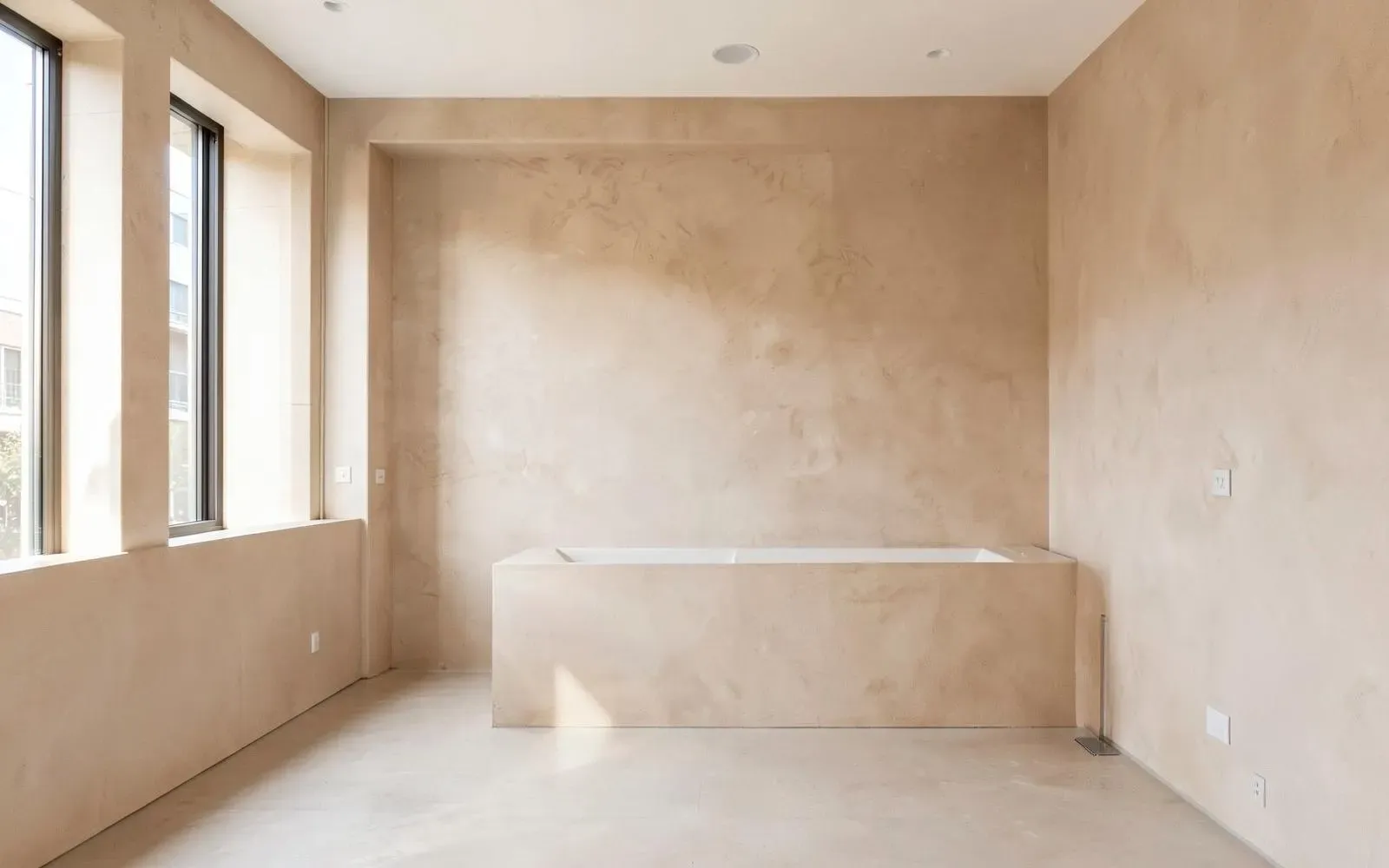
Microcement Melbourne
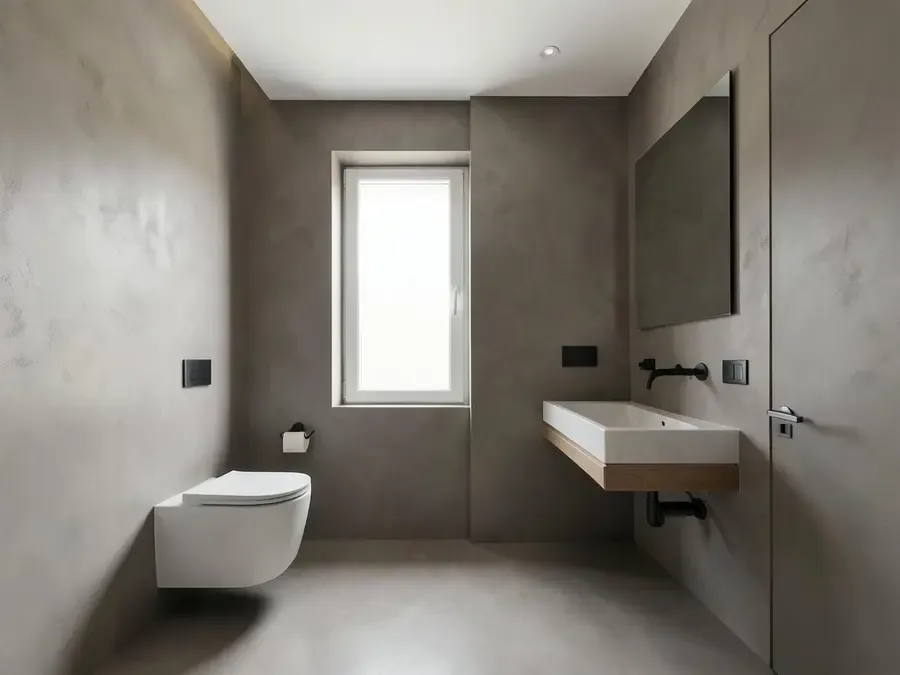
Microcement — sometimes written as micro cement — is a thin cement-based coating applied by hand and built up in coats over a prepared surface. The result is a continuous, seamless surface with no grout lines and a soft, stone-like appearance, finished matte through to satin.
Because it is a coating rather than a laid product, it can often go over surfaces already in place, provided they are sound, stable and properly prepared — which is why it comes up so often in renovations.
Where microcement is used
- Microcement bathroom walls, vanity surrounds and wet-area surfaces
- Microcement shower walls and shower bases where the area suits it
- Microcement walls in living areas, hallways and entries
- Microcement floors over sound, stable substrates
- Microcement kitchen walls and splashback areas
- Microcement benchtop surfaces
- Feature surfaces such as steps, hearths, niches and joinery faces
As a microcement contractor, installer and applicator, our starting point is always the substrate. Movement, moisture and existing waterproofing decide whether microcement suits an area, and in wet areas the waterproofing beneath does the waterproofing work — the coating does not replace it.
Venetian Plaster Melbourne
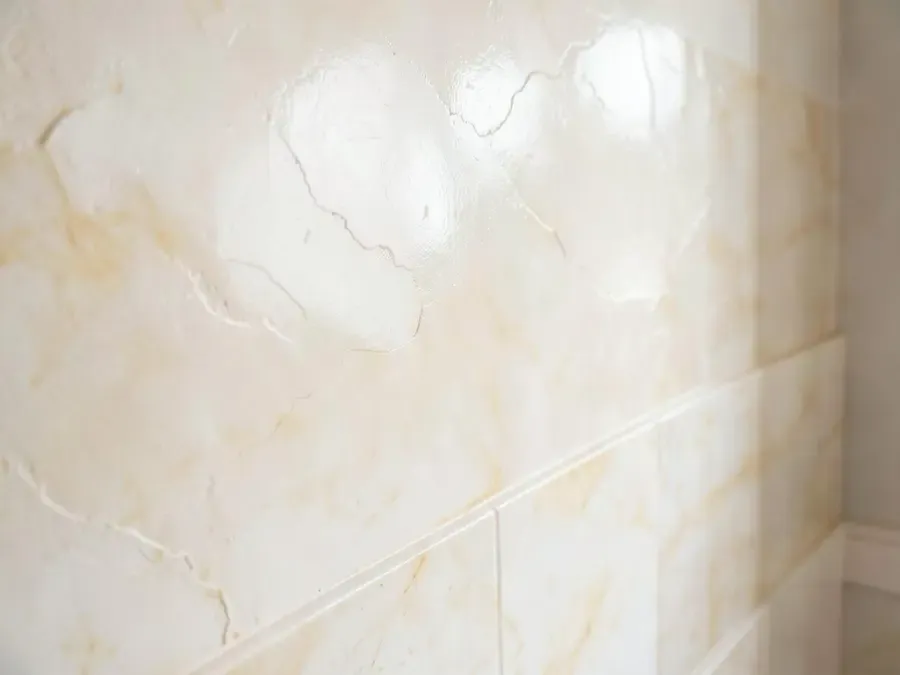
Venetian plaster is applied in thin layers and burnished back with a trowel. Each layer adds depth, so the finished wall has movement and a soft polished sheen that shifts with the light. It is an interior finish, applied by hand, and no two walls come out identical.
Venetian plastering is most often used on feature walls — an entry, a living room wall, a bedhead or a hallway — and can also run through a whole room. Venetian plaster bathroom walls are common too, generally on surfaces away from direct water rather than inside the shower itself.
Preparation matters more here than with almost any other finish, because a polished surface reflects light and light shows every ripple and patch underneath. We work as the Venetian plasterer applying the finish, and walk through colour, sheen and how pronounced the movement should be beforehand — ideally with a sample on site, in the room's own light.
Concrete Effect & Architectural Concrete Finishes
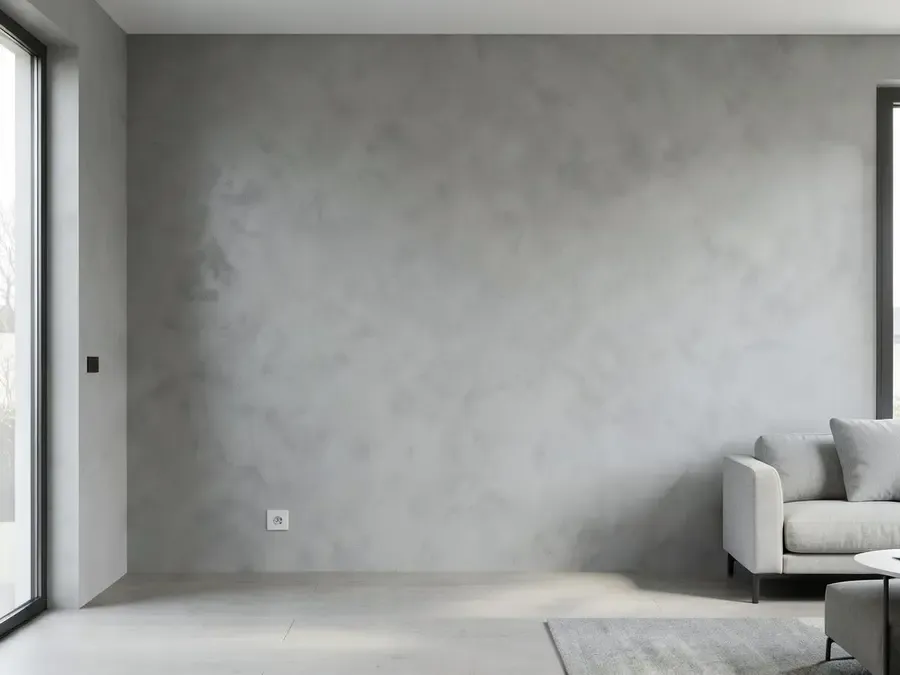
Concrete effect finishes — also described as concrete look finishes or decorative concrete finishes — are surface coatings that give a wall the appearance of architectural concrete: flat, grey-toned, lightly mottled, with the subtle variation you get in formed concrete.
To be clear about what this is and is not: this is a decorative wall finish. It is not polished concrete flooring, and we do not offer polished concrete floor grinding or polishing. What we apply is a finish over an existing prepared surface to achieve a concrete appearance.
Typical applications
- Interior concrete effect walls and feature walls
- Rendered surfaces given an architectural concrete appearance
- Entry and stairwell walls in homes and apartments
- Selected commercial surfaces such as reception and retail walls
- Architectural detailing where a raw, minimal look is wanted
Concrete effect finishes pair well with our rendering work, since a rendered wall is often the ideal base. Where a surface needs repair or re-rendering first, that is quoted as part of the job.
Decorative Plaster & Wall Finishes
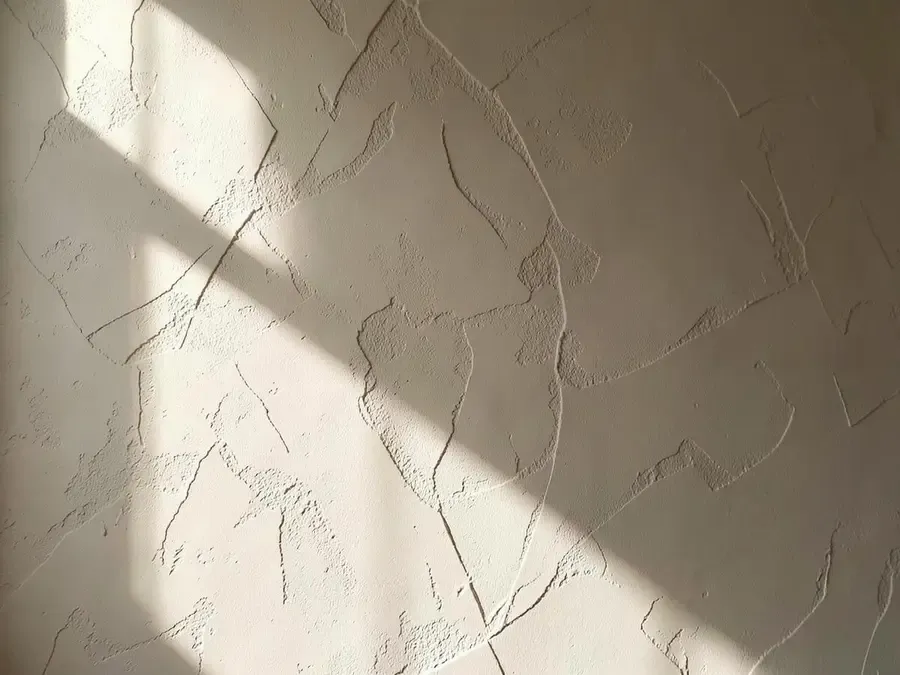
Decorative plastering covers the middle ground between a standard painted wall and a highly polished finish. Textured plaster and textured wall finishes can be worked fine and even, or heavier with visible relief, depending on how much presence the surface is meant to have.
Common uses are feature wall treatments, hallways, ceilings and architectural wall finishes in homes and commercial spaces. Texture is also practical on walls with a history of minor patching, because a worked surface reads far more evenly than a flat one under raking light.
What texture and depth is achievable depends on the product and the wall, so we prepare a sample area on your own wall before committing to it across the room.
Lime Plaster & Limewash
Lime plaster and limewash are traditional finishes for people after something softer and less uniform than modern paint. Limewash has a matte, slightly cloudy surface with natural tonal movement that changes subtly with the light rather than sitting flat on the wall.
Lime plaster is trowel-applied and can be finished smooth or left with more texture. Both are used on interior walls and feature areas, and are often chosen in older properties where a modern flat finish would look out of place.
We apply these finishes as a trade service and will talk through appearance, preparation and how the surface will wear. If a particular product performance requirement matters to you, tell us up front and we will check the manufacturer's own information.
Feature Wall Finishes
A feature wall is usually the easiest way into decorative finishes: one wall, one finish, a contained cost. Entries, living areas, bedheads, stairwells and reception walls are the areas we are asked about most.
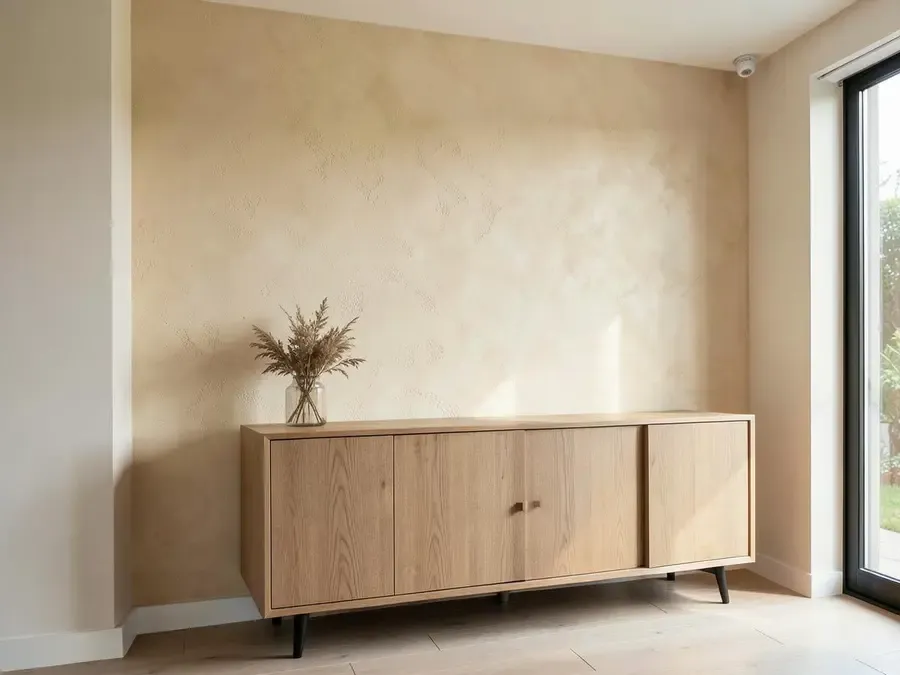
Any finish on this page can be used as a feature wall finish — polished Venetian plaster for depth and sheen, microcement for a seamless minimal surface, a concrete effect finish for a raw architectural look, or textured decorative plaster where more surface interest is wanted.
Send a photo of the wall and a reference image of the look you like, and we can say which decorative wall finishes are realistic on that surface and which are not.
Comparing the Finishes
A general guide to how the finishes differ and where each is typically used. Which one suits your project depends on the specific surface, so treat this as a starting point.
| Finish | Appearance | Typically used on |
|---|---|---|
| Microcement | Seamless, minimal, stone-like surface with subtle tonal variation. | Bathroom and shower walls, floors, kitchen surfaces, benchtops. |
| Venetian plaster | Polished, layered depth with a soft marble-like movement and sheen. | Feature walls, entries, living areas, bathroom walls outside spray zones. |
| Concrete effect finishes | Architectural concrete appearance — flat, grey-toned, lightly mottled. | Interior and selected exterior walls, commercial surfaces. |
| Decorative plaster | Textured or patterned surface, from fine sand texture to heavier relief. | Feature walls, hallways, ceilings, architectural detailing. |
| Lime plaster & limewash | Soft, matte, slightly cloudy finish with natural tonal movement. | Interior walls and feature areas, especially older properties. |
Residential Applications
Most residential work is renovation-driven: a bathroom being reworked, a living room feature wall, a kitchen splashback area, or an entry. Decorative finishes also come up in pre-sale work, where a single wall can change how a room photographs.
Because we also handle rendering and solid plastering and painting, the preparation and the surrounding surfaces can be handled by the same team rather than split across contractors.
Commercial Applications
On commercial sites, decorative finishes are usually specified for visible customer-facing areas — reception walls, retail interiors, hospitality fit-outs and lobby surfaces. Scheduling, access and staging around trading hours are part of the quote from the start.
Ongoing upkeep of these surfaces can sit alongside our property maintenance work, and we cover the areas listed on our service areas page.
How a Decorative Finish Job Runs
A general outline — some jobs need repair or re-rendering first, others are a single wall in a day.
Enquiry
Tell us the surfaces involved and the look you have in mind.
Photos & details
Send photos and approximate measurements of the existing surfaces.
Assessment
We review the substrate and whether preparation or repair is needed first.
Finish & application
We agree which finish suits the surface, the room and the look you want.
Preparation
Surfaces are made sound, flat and clean — most of the quality comes from this stage.
Application
The finish is applied in coats, with drying and burnishing or sealing as required.
Completion
We check the finish, tidy the site and walk you through basic care.
What to Send Us for an Initial Assessment
The more we can see up front, the more useful the first conversation is. Helpful details include:
- Photos of the walls, room or surfaces involved
- Approximate measurements or room dimensions
- What the existing surface is — plasterboard, render, tiles, concrete
- Whether it is a wet area such as a bathroom or shower
- A reference image of the look you have in mind
- The suburb and property type, and your timeframe
Decorative Finishes FAQs
Thinking About a Decorative Finish?
Send through photos of the surface, a few measurements and the look you are aiming for, and we will come back to you with what is achievable and a quote for the work.